
You can block unwanted pests from your yard by growing specific herbs and flowers around your seating areas. Plants like basil, marigold, and lavender release strong oils that drive mosquitoes, flies, and aphids away. Place these protective plants in sunny spots and water them twice a week to keep your space bug free all summer long.
How Do Plants That Keep Insects Away Naturally Work?
Certain leaves produce pungent aromatic compounds to protect themselves from wild bugs in nature. When you brush past these leaves or when the warm summer sun hits them, those strong oils release into the air. Mosquitoes, biting flies, and garden aphids hate these strong scents, so they avoid the entire area completely. You do not need expensive chemical sprays when you put these living barriers in the correct spots near your patio or back door.
For the strongest effect, put your protective pots right next to where you sit outside. A small pot placed three feet away from your garden chair works much better than a plant tucked far back in a garden border. Give each plant six full hours of bright sunshine every single day so the leaves build up thick, strong oils. Water the soil deeply whenever the top inch feels dry to the touch, which usually means twice every week during hot weather.
Which Herbs Repel Mosquitoes and Flies?
Herbs are the easiest choice for natural pest control because they grow fast and provide fresh food for your kitchen at the same time. Plant these four culinary herbs in ten inch pots around your porch steps or outdoor dining table to block flying bugs all season:
- Sweet Basil: Put this pot in full sun for six hours daily. Water the soil with four cups of water every three days. It repels houseflies and mosquitoes while giving you fresh leaves for cooking.
- Mint: Grow this herb in a single container so it does not spread across your yard. Give it four hours of sun and keep the soil damp by watering twice a week. It drives away ants and biting spiders.
- Lemongrass: Plant this tall grass in a twelve inch pot under full sunlight. Add six cups of water every four days. Its strong citrus leaves hold natural citronella oil that keeps mosquitoes away.
- Rosemary: Place this woody herb in intense direct sun. Water it deeply once a week with four cups of water, letting the soil dry out between soakings. The pine scent blocks flying beetles and pests.
Set these herb pots in a tight line along your deck railing to form a scent wall. If you plan to spend twenty minutes sitting outside in the evening, gently rub a few leaves between your hands first. Crushing the leaves releases a quick boost of pure essential oils into the air around your chair right when you need it most.
Bright Flowers That Stop Garden Pests
Flowers bring bright color to your yard while working round the clock to protect your other plants. Marigolds and French lavender are two of the most effective flowering choices you can buy at any local plant nursery. You can learn more about general plant care through standard Gardening guides, but keeping these specific flowers healthy requires just a few basic steps every week.
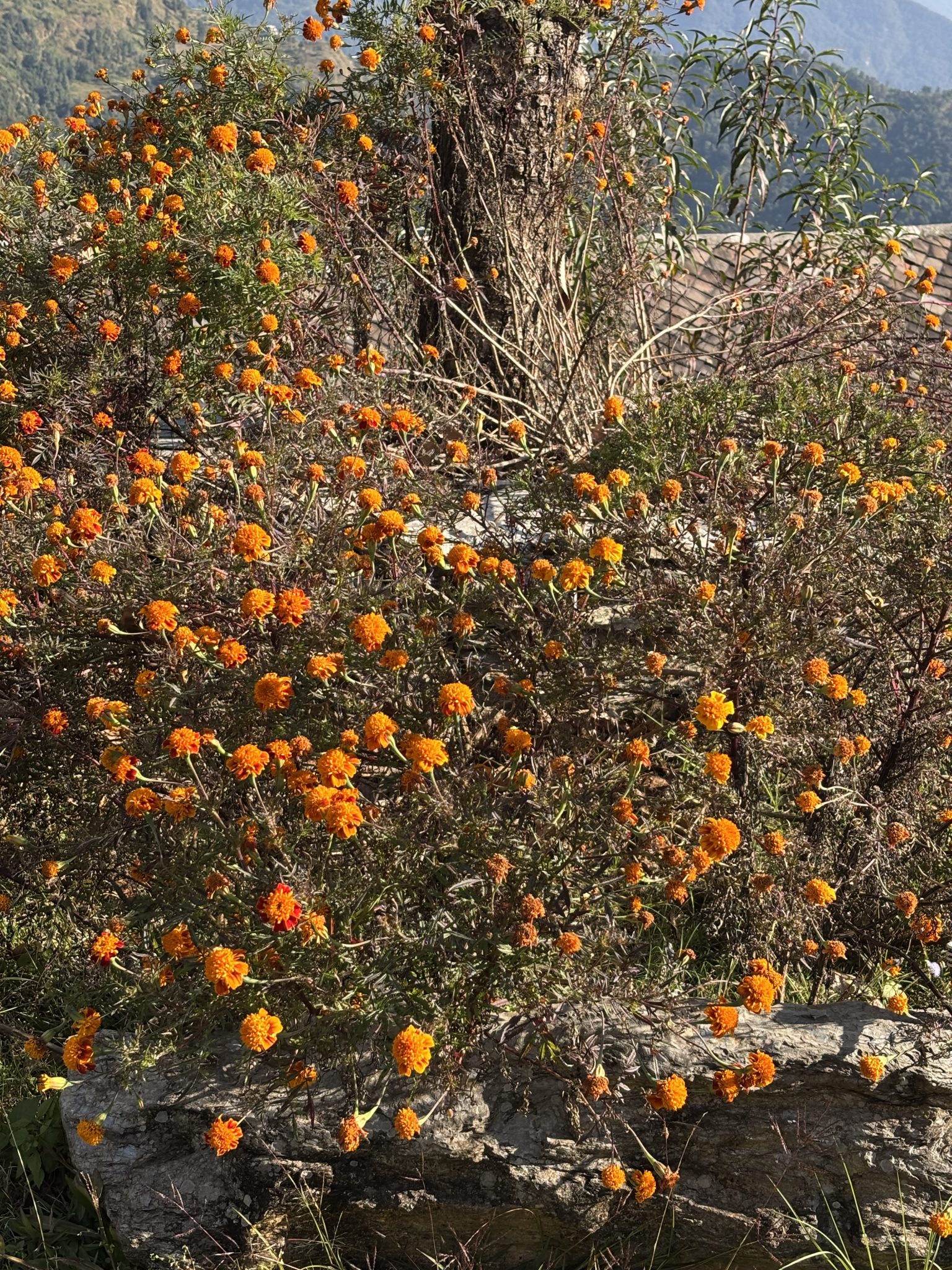
Marigolds contain a natural compound used in many commercial bug sprays. Plant marigold seedlings six inches apart in garden beds or broad patio tubs during late spring. Give them six hours of direct sunlight every day and soak the roots with three cups of water per plant every four days. Their bright yellow and orange heads repel hornworms, squash bugs, and destructive root nematodes all summer.
How to Plant Lavender for Long Term Protection
Lavender is a hardy perennial plant that comes back every year to block pests naturally. It works remarkably well against moths, fleas, flies, and mosquitoes. Follow these exact steps to set up a long lasting lavender plant in twenty minutes:
- Pick a container that measures at least twelve inches wide with large drainage holes in the bottom.
- Fill the container with coarse, sandy potting mix that lets excess water drain out in less than ten seconds.
- Set your fresh lavender plant into the pot so the root ball sits one inch below the rim.
- Pour four cups of water directly over the root area right after planting to settle the fresh soil.
- Move the pot to a spot that receives eight solid hours of warm, bright sun every day.
Do not overwater your lavender plant or the roots will rot quickly. Water it only once every seven to ten days during the warm summer months, using four cups of water each time. Trim off the spent purple flower spikes in late summer to keep the bush neat and help it grow thick new stems for next year.
Where to Place Your Pots for the Best Results
Plant placement determines how well your natural insect barriers function throughout the summer heat. If you set your pots in deep shade, the leaves will grow thin and fail to produce protective oils. Group three or four different pots together near your outdoor seating area, doorways, or open patio windows to create a thick zone of scented protection. If space is tight, try setting up a small Container garden right on your window ledge or deck steps.
Check your outdoor pots every Tuesday and Friday morning to see if they need water. Stick your index finger one inch deep into the soil. If the dirt feels dry and dusty, give the plant its full measure of water right away. If the soil feels damp and cool, wait two more days before checking again. Consistent light, proper spacing, and steady watering keep your natural plant barrier strong through the hottest months of the year.
Comments
Post a Comment