
You can raise strong, healthy seedlings inside your home without buying an expensive setup or building an outdoor structure. All you need are standard seed trays, fresh potting mix, water, and a bright windowsill or simple light bulb. Start your seeds 6 to 8 weeks before your last spring frost date for the best results.
Choose the right containers and potting soil
Clean containers are necessary so your young plants do not catch diseases. You can buy plastic cell trays or reuse egg cartons, yogurt cups, and paper pots. Make sure every container has at least one small drainage hole at the bottom so excess water can escape easily. Wash used pots with warm soapy water before you add any dirt.
Never use heavy dirt from your outdoor garden beds. Outdoor soil settles tightly in small pots and stops air from reaching young roots. Use a light, damp seed-starting mix made from peat moss or coconut coir and perlite. Fill your pots to about half an inch below the rim and press the mix down gently with your fingers.
- Drainage holes: Add 1 or 2 small holes to the bottom of plastic cups.
- Soil prep: Mix 4 cups of seed starter with 1 cup of warm water in a bowl before filling pots.
- Pot size: Choose pots that are 2 to 3 inches deep for early growth.
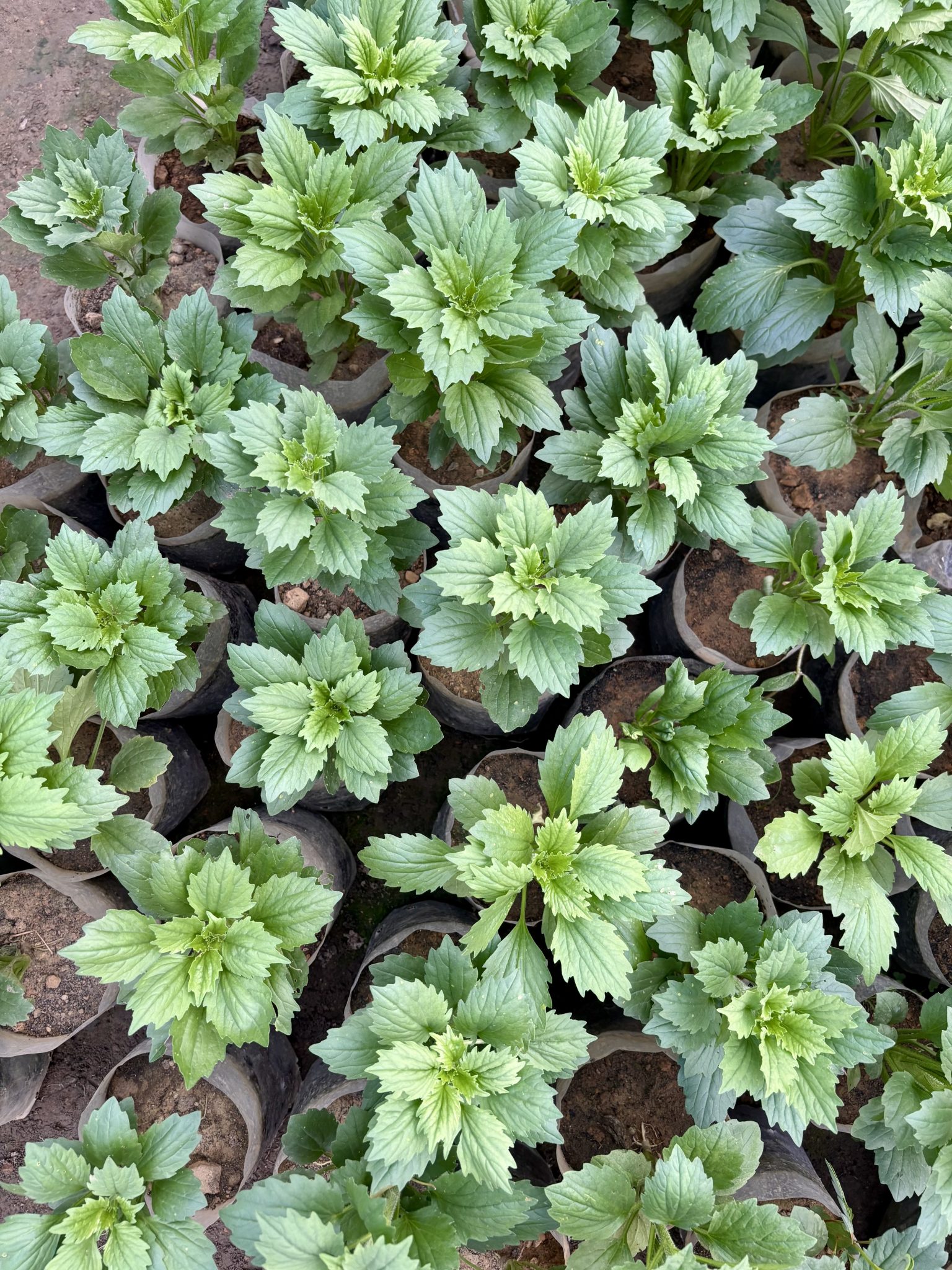
How to plant your seeds at the correct depth
Read the back of your seed packet to find the exact planting depth for each plant variety. As a general rule, plant a seed twice as deep as its width. Tiny seeds like lettuce or petunias need light to germinate, so you press them gently onto the damp soil surface without covering them. Larger seeds like tomatoes, peppers, and squash should sit under a quarter-inch to a half-inch of moist soil mix.
Place two seeds into each pot or cell to make sure at least one sprouts. Once the seeds sit in place, mist the soil surface with a spray bottle filled with tap water until the top layer feels wet. Cover the container with a sheet of clear plastic wrap or a plastic dome to trap humidity. Keep the tray in a warm room that stays between 65 and 75 degrees Fahrenheit.
- Tomato seeds: Plant 1/4 inch deep and cover lightly with soil mix.
- Lettuce seeds: Press onto the surface and leave fully exposed to light.
- Zucchini seeds: Plant 1/2 inch deep into the moist potting mix.
- Watering step: Mist the top soil layer with 10 squirts from a spray bottle.
Provide the right amount of light and water
Check your seed trays every morning until green sprouts appear, which usually takes 5 to 10 days. Remove the plastic cover as soon as you see the first green shoots. Move your trays to a bright, south-facing windowsill that gets at least 6 hours of direct sunlight every day. If your windows do not bring in enough sunlight, place a standard LED shop light 2 inches above the tops of the seedlings and leave it on for 14 to 16 hours daily.
Water your young plants from the bottom so you do not knock over the weak stems. Set your plant containers into a shallow tray filled with 1 inch of room-temperature water. Let the pots soak up the liquid from the bottom for 15 minutes, then pour out any water that remains in the outer tray. Feel the top of the soil every day, and water only when the top half-inch feels dry to your touch.
Thin seedlings and start feeding
When your plants grow 1 inch tall, you must thin them so they do not crowd each other. Look closely at each pot that has two green sprouts and pick the strongest one to keep. Take a sharp pair of kitchen scissors and snip the stem of the smaller seedling off right at the soil line. Never pull the weaker sprout out by its roots, or you will disturb the roots of the healthy plant left behind.
Seedlings do not need extra plant food for the first two weeks because the seed itself holds enough energy. Once the seedling grows its second set of leaves, called true leaves, start feeding it once every week. Use a balanced, water-soluble fertilizer diluted to quarter-strength. Mix 1/4 teaspoon of liquid plant food into 1 gallon of fresh tap water and pour it right into the bottom tray during your regular watering routine.
How to harden off indoor plants for the garden
You cannot move young seedlings directly from your warm house out into the garden bed. They need 7 to 10 days to get used to strong wind, shifting temperatures, and harsh sunlight. This careful process is a normal part of regular home Gardening that prevents your new plants from dying of shock.
Start 10 days before you plan to plant outdoors. On day one, put your seedlings outside in a shaded, sheltered spot for exactly 1 hour, then bring them back inside. Add 1 extra hour of outdoor time each day, moving them into morning sunlight by day four. By day ten, your plants can stay outdoors in full sun for a full 24 hours. After this step, transplant your seedlings into your outdoor garden or into a larger Container garden on your patio. Keep the soil moist for the first 3 days after planting outdoors to help the roots settle into their permanent home.
Comments
Post a Comment